
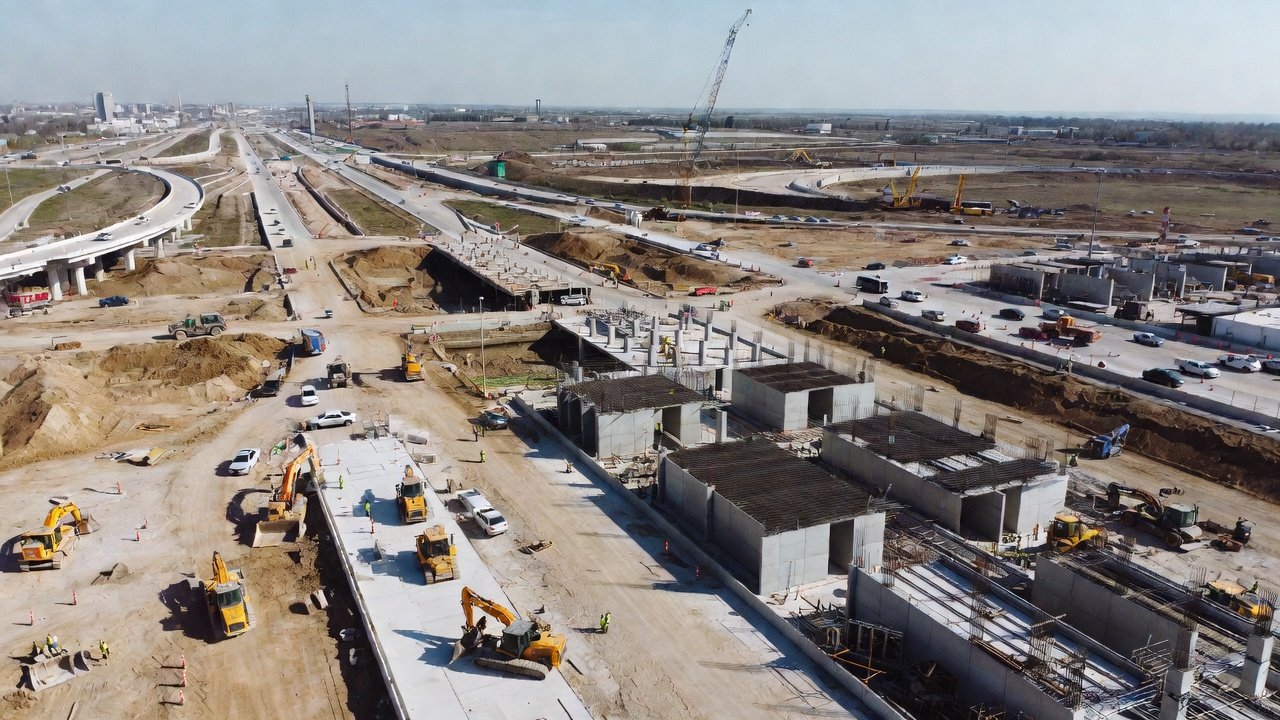
Infrastructure Construction Is Unique
Infrastructure construction—roads, bridges, utilities, water systems, and public works—operates under a different set of rules than building construction. You're working in active traffic, coordinating with multiple government agencies, dealing with unknown underground conditions, and managing seasonal constraints that can shut down work for months. Construction scheduling software for infrastructure must address these unique challenges while maintaining the coordination capabilities needed for complex projects.
The infrastructure sector is experiencing unprecedented investment. Government funding, aging systems requiring replacement, and growing populations driving new construction have created a backlog of projects. Contractors who master construction management software for infrastructure work can capture more of this expanding market while avoiding the costly delays that plague poorly scheduled projects.
Public Agency Requirements
Infrastructure work means working with government entities:
Contract Schedule Requirements
Public agency contracts specify detailed scheduling requirements—baseline submissions, update frequencies, reporting formats. Your construction project management software must generate compliant deliverables efficiently.
Liquidated Damages
Infrastructure contracts almost always include liquidated damages for late completion. These penalties can be substantial—thousands of dollars per day. Contractor scheduling software accuracy directly protects your bottom line.
Review and Approval Processes
Agencies review and approve schedules, schedule updates, and recovery schedules. Build time for these reviews into your best construction scheduling software timelines.
Change Order Documentation
When changes occur, agencies require detailed documentation. Your construction scheduling software provides the historical record needed to support time extension claims.
Traffic Control Scheduling
Working in or near active traffic creates unique scheduling demands:
Phased Construction
Roads can't be closed completely, so work proceeds in phases—maintaining traffic while constructing sections. Your construction management software must show these phases clearly and track the specific scope of each.
Work Window Restrictions
Many infrastructure projects restrict work hours to minimize traffic impact—nighttime only, off-peak hours, or weekend work. Build these constraints into your construction project management software.
Traffic Switch Dependencies
Moving traffic from one pattern to another requires specific conditions to be met. Track these dependencies in your contractor scheduling software to avoid premature switches that create safety hazards.
Incident Response
Accidents and incidents in work zones can halt progress. Best construction scheduling software helps reschedule work when incidents occur.
Utility Coordination Challenges
Underground and overhead utilities add complexity:
Utility Relocations
Existing utilities often must be relocated before main construction can proceed. These relocations involve utility companies with their own schedules and priorities. Track commitments in your construction scheduling software and build realistic buffers for utility work.
Unknown Conditions
Underground conditions are never fully known until you dig. Build contingency in your construction management software for utility conflicts, unsuitable soils, and other discoveries.
Utility Company Coordination
Multiple utility companies may be involved—water, sewer, gas, electric, communications. Coordinate their schedules through your construction project management software.
Permit Timing
Utility work often requires separate permits. Track permit applications and approvals in your contractor scheduling software.
Seasonal and Weather Constraints
Infrastructure work faces significant seasonal limitations:
Paving Seasons
Asphalt paving requires minimum temperatures. In northern climates, this limits paving to spring through fall. Your best construction scheduling software must respect these constraints.
Concrete Restrictions
Extreme heat and cold affect concrete placement and curing. Build seasonal adjustments into your construction scheduling software.
Earthwork Limitations
Frozen or saturated soils affect earthwork. Construction management software should account for seasonal earthwork windows.
Water Work Seasons
Stream work may be restricted to protect fish during spawning seasons. Environmental windows must be reflected in your construction project management software.
Linear Project Scheduling
Much infrastructure work is linear—roads, pipelines, utilities:
Station-Based Scheduling
Work is often organized by station (distance markers). Your contractor scheduling software should handle location-based scheduling showing progress along the alignment.
Multiple Crews Working Simultaneously
Different crews may work different segments simultaneously. Visualize this in your best construction scheduling software to prevent crew conflicts.
Progress Tracking by Location
Track progress by station rather than just percentage complete. Construction scheduling software that shows geographic progress provides better visibility.
Equipment-Intensive Operations
Infrastructure relies heavily on heavy equipment:
Equipment Availability
Specialized equipment (pavers, milling machines, cranes) may be shared across projects. Coordinate equipment scheduling in your construction management software.
Mobilization Costs
Moving heavy equipment is expensive. Schedule work to minimize mobilization events through efficient sequencing in construction project management software.
Equipment Productivity
Equipment dictates production rates. If a paver produces 1,000 tons per day, that's your paving capacity. Contractor scheduling software should reflect realistic production rates.
Inspection and Testing Requirements
Infrastructure requires extensive quality verification:
Material Testing
Soil compaction, concrete strength, asphalt density—all require testing. Build testing time into your best construction scheduling software.
Agency Inspections
Government inspectors must approve work before subsequent activities. Track inspection holds in your construction scheduling software.
Third-Party Testing
Independent testing labs have their own schedules. Coordinate testing requirements in construction management software.
Multi-Phase Coordination
Infrastructure projects typically involve multiple phases:
Phase Completion Requirements
Each phase must be complete before traffic switches. Your construction project management software should clearly show phase boundaries and completion requirements.
Phase Overlap
Starting the next phase before the current phase is complete saves time but creates coordination complexity. Contractor scheduling software helps manage this overlap safely.
Punch List Accumulation
Don't let punch list items accumulate across phases. Track them in your best construction scheduling software and address them promptly.
Environmental and Permit Constraints
Infrastructure faces extensive environmental regulation:
Environmental Windows
Work near water, wetlands, or sensitive habitats may be seasonally restricted. Build these windows into your construction scheduling software.
Permit Conditions
Permits include specific conditions that affect scheduling. Document these in your construction management software and ensure compliance.
Erosion Control
Erosion control measures must be in place before disturbing soil. Sequence this work properly in your construction project management software.
Conclusion
Infrastructure construction demands scheduling approaches that address its unique challenges: public agency requirements, traffic control, utility coordination, seasonal constraints, and linear work. Generic scheduling tools often fall short of these demands.
Contractor scheduling software designed for infrastructure handles station-based scheduling, phase management, and the specific constraints that infrastructure contractors face. The best construction scheduling software for infrastructure provides the precision needed to avoid liquidated damages while coordinating complex multi-phase work.
As infrastructure investment continues to grow, contractors who master construction scheduling software for this sector will capture more work and deliver more successfully. The investment in proper construction management software and scheduling practices pays dividends on every infrastructure project.